May 21, 2026
The essence of a remarkable culinary establishment lies in its dedication to time-honored techniques and communal roots. When a BBQ restaurant prioritizes the integrity of the craft over speed, the results resonate throughout the neighborhood. Understanding the nuances of smoke, wood, and, more importantly, having patience, allows a local spot to transform from a simple eatery into a cultural landmark for food enthusiasts.
Honoring the Slow Smoking Process
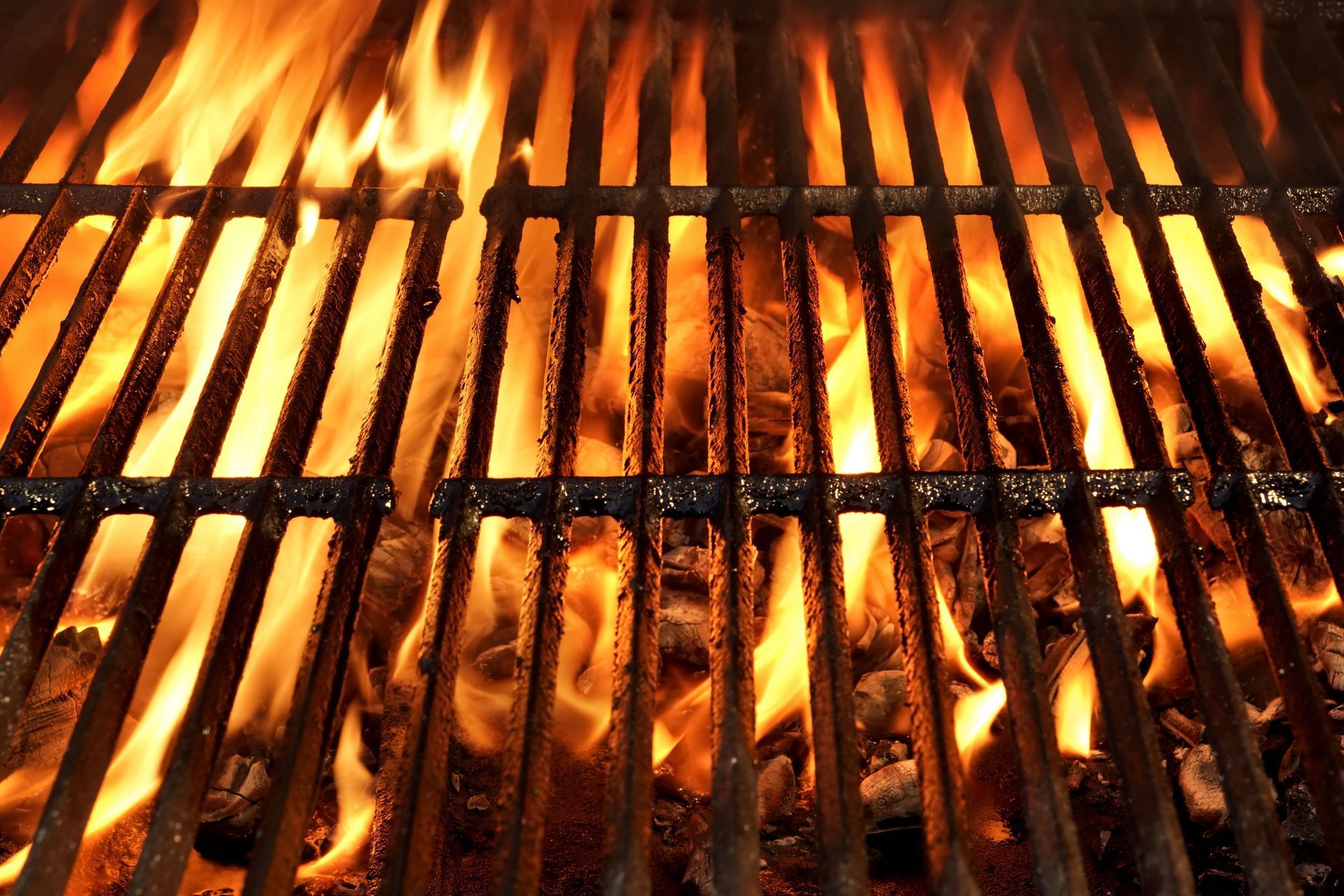
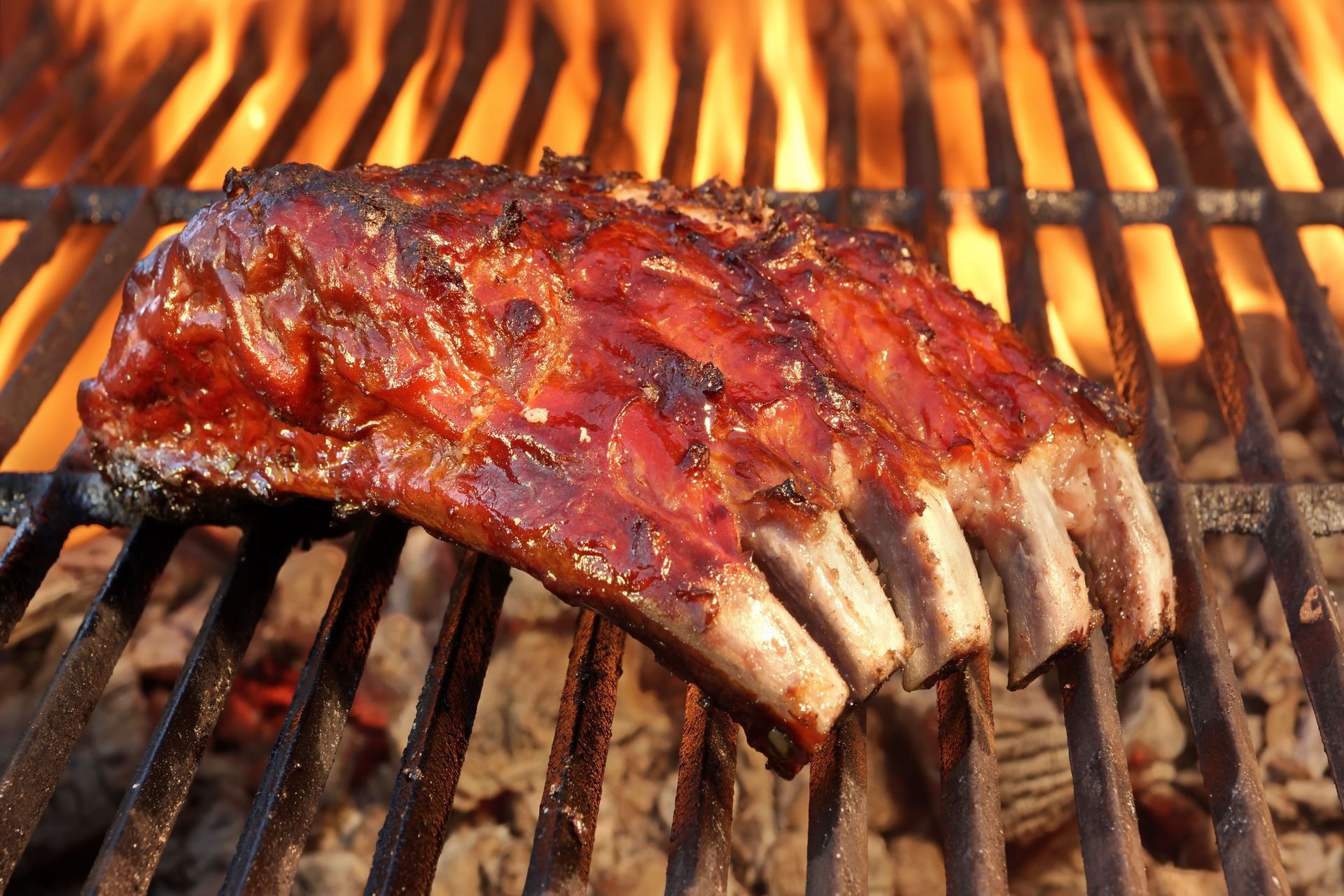
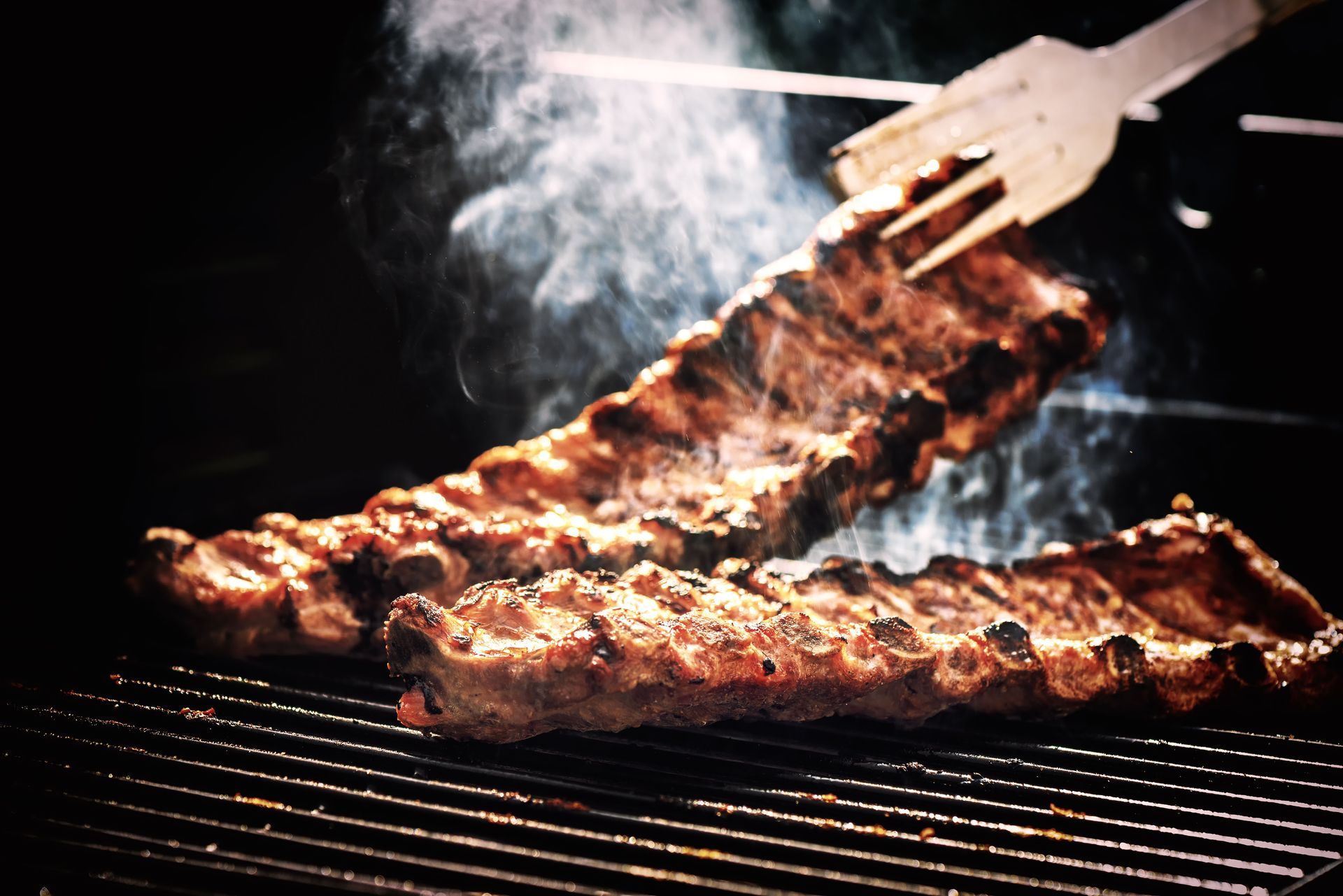
The foundation of any reputable BBQ restaurant lies in the dedication of the chef. Shortcuts are the enemy of flavor, which is why pits often remain active through the night. By utilizing seasoned hardwoods, a consistent heat allows the natural fats in the meat to render slowly. This method produces a tender texture that simply cannot be replicated by modern electric ovens or high-pressure systems.
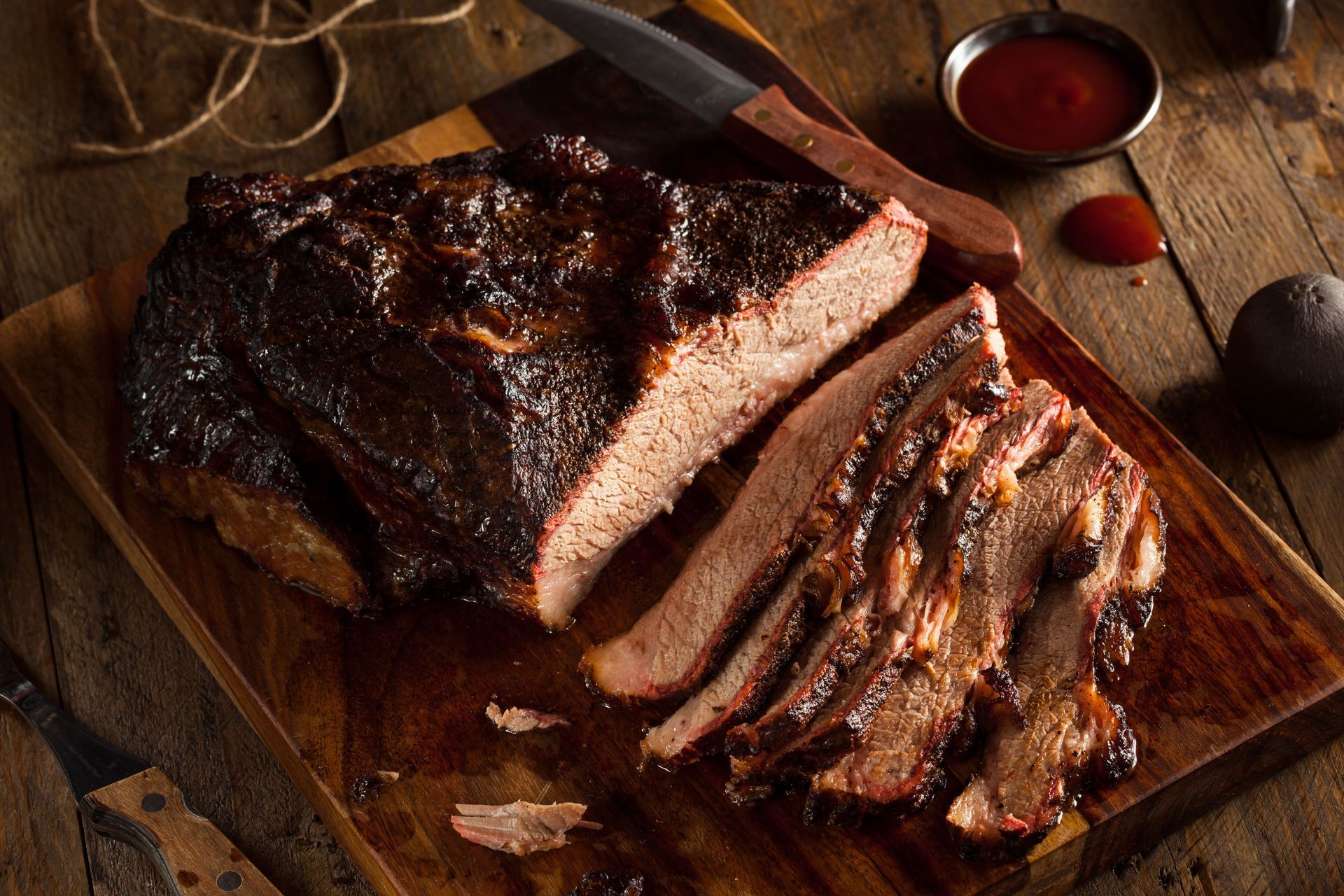
Every cut of meat undergoes a rigorous preparation phase where the choice of wood is matched to the specific protein. For instance, hickory provides a bold punch for pork, while fruitwoods offer a subtle sweetness for poultry. This meticulous attention to the combustion process allows the smoke to penetrate the meat deeply, resulting in a distinct pink ring that serves as a hallmark of quality. It is a labor-intensive ritual that defines daily operations.
Beyond the physical heat, the air circulation within the pit plays a vital role in developing a perfect bark. This outer crust provides a concentrated burst of seasoning and texture that contrasts with the juicy interior. By maintaining a steady environment, the kitchen creates a product that honors the historical roots of the craft. Fire is a living element that requires constant monitoring to produce the best possible results for every guest.
Selecting the Highest Quality Ingredients
A great BBQ restaurant is only as good as the raw materials it sources from the surrounding area. Prioritizing partnerships with local producers who share values regarding freshness and sustainability is essential. By selecting premium cuts with optimal marbling, the kitchen provides a base that stands up to hours of intense smoke without losing its structural integrity. This focus on sourcing helps maintain a connection to the local agricultural landscape.
The spices used in dry rubs are ground fresh to maintain their aromatic oils and potency. Prepared canisters that contain fillers or anti-caking agents are avoided in favor of proprietary mixtures blended on-site. This allows for control over salinity and spice levels with surgical precision. Each ingredient serves a purpose, whether it is to provide a kick of heat or to balance the richness of the meat with a touch of acidity.
Vegetables and sides receive the same level of scrutiny as the main proteins. A meal is a holistic experience, where the slaw and beans are just as important as the brisket. By using seasonal produce, the menu feels vibrant and alive. This dedication to ingredient integrity means that every component on the plate contributes to a narrative of quality that is easy to distinguish from standard commercial fare found in larger chains.
Crafting a Unique Flavor Profile
Balance is the primary goal when developing the flavors that define a professional kitchen. While many believe that smoke should be the overwhelming note, it is actually a seasoning that should complement the natural taste of the meat. A successful BBQ restaurant masters the interplay between salt, fat, acid, and heat. This equilibrium is what allows the palate to remain excited throughout the entire meal rather than becoming fatigued by heavy sugars.
Signature sauces are developed to enhance rather than mask the work done in the smokehouse. Many establishments draw inspiration from a wide variety of historical influences to create something unique. According to the Tennessee State Museum, a Dominican missionary named Père Labat made the very first BBQ sauce in 1698. Carrying that spirit of innovation forward involves experimenting with different sauces and peppers to find the ideal match for smoked offerings.
The complexity of flavor profiles comes from layers of application. The process starts with a base rub, adds smoke, and finishes with a light glaze or a side of dipping sauce. This multi-stage process builds depth that unfolds with every bite. By avoiding the trend of overly sweet or syrupy coatings, a kitchen respects the history of the craft while providing a modern interpretation that appeals to the sophisticated palates of the local community.
Cultivating a Welcoming Community Atmosphere
The physical space of a BBQ restaurant should feel like an extension of the local culture. Dining areas are often designed to encourage conversation and relaxation, moving away from the sterile feel of modern fast-food outlets. Large communal tables and warm lighting create an environment where neighbors can connect over a shared love of good food. This sense of belonging is a core component of why certain spots become local staples.
Service is handled with a genuine warmth that reflects an appreciation for every person who walks through the doors. Staff members are educated on the nuances of the menu, ready to explain the differences between various cuts or wood types. This knowledge allows guests to make informed choices that suit their personal preferences. The goal is a seamless experience where the focus remains on the enjoyment of the meal and the company.
Music, decor, and even the scent of woodsmoke in the air all contribute to the sensory experience of a top-tier establishment. Guests often feel disconnected from the hustle of daily life the moment they arrive. By creating a sanctuary for slow food and meaningful interaction, a business provides a service that goes beyond simple nourishment. Meticulous attention to the guest experience is visible in every small detail, from the cleanliness of the tables to the presentation.
Preserving Regional Culinary Traditions
Operating a BBQ restaurant involves acting as a steward for a specific cultural heritage. This responsibility is taken seriously by researching the methods used by previous generations to keep those techniques alive. This does not mean being stuck in the past, but rather using history as a guide for current practices. By preserving these traditions, a kitchen offers a taste of the region that is becoming increasingly rare in an era of mass production.
Education is a quiet part of the daily routine. When a specific style of rib or a traditional side dish is served, a piece of history is shared with the guests. This helps the community understand the cultural significance of the food. It creates a deeper appreciation for the time and effort required to produce authentic barbecue. These establishments are places where the stories of the past are told through the flavors of the present.
The longevity of a local favorite is a testament to the fact that quality and tradition never go out of style. While food trends may come and go, the appeal of perfectly smoked meat and warm hospitality remains constant. Processes are continually refined to better represent the region. This dedication to the craft defines the identity of a premier BBQ restaurant and reinforces its position as a beloved fixture within the neighborhood for years to come.
The art of barbecue is a journey that requires dedication to the pit and an appreciation for local history. By focusing on slow methods, quality ingredients, and traditional flavors, an establishment provides an experience that resonates. This focus on authenticity honors the rich culinary heritage that defines a specific region. Visit Sweet Magnolia Smokehouse to experience the authentic flavors of expertly prepared local barbecue.